
⭐ 62%
Tomatómetro
Fresh
👥 59%
Audiencia
36 votos
🍿Mixto
Dónde ver
Streaming

Renta



Detalles
- Estado
- Estrenada
- Duración
- 1h 31m
- Estreno
- 18 de septiembre de 2020
🎬 PelículaDrama2020⏱ 1h 31m
Uno para todos
Un profesor interino asume la tarea de ser tutor de sexto de primaria en un pueblo completamente desconocido para él. Cuando descubre que tiene que reintegrar a un alumno enfermo en el aula, se encuentra con un problema aún mayor: ninguno de sus compañeros quiere que vuelva a clase.
Director
David IlundainGuión
Coral Cruz, Valentina Viso, David Planell
Reparto principal



📸 Fotos
12 imágenes📝 Reseñas de críticos
1 reseñas
Marco-Hugo Landeta Vacas
22 dic 2025
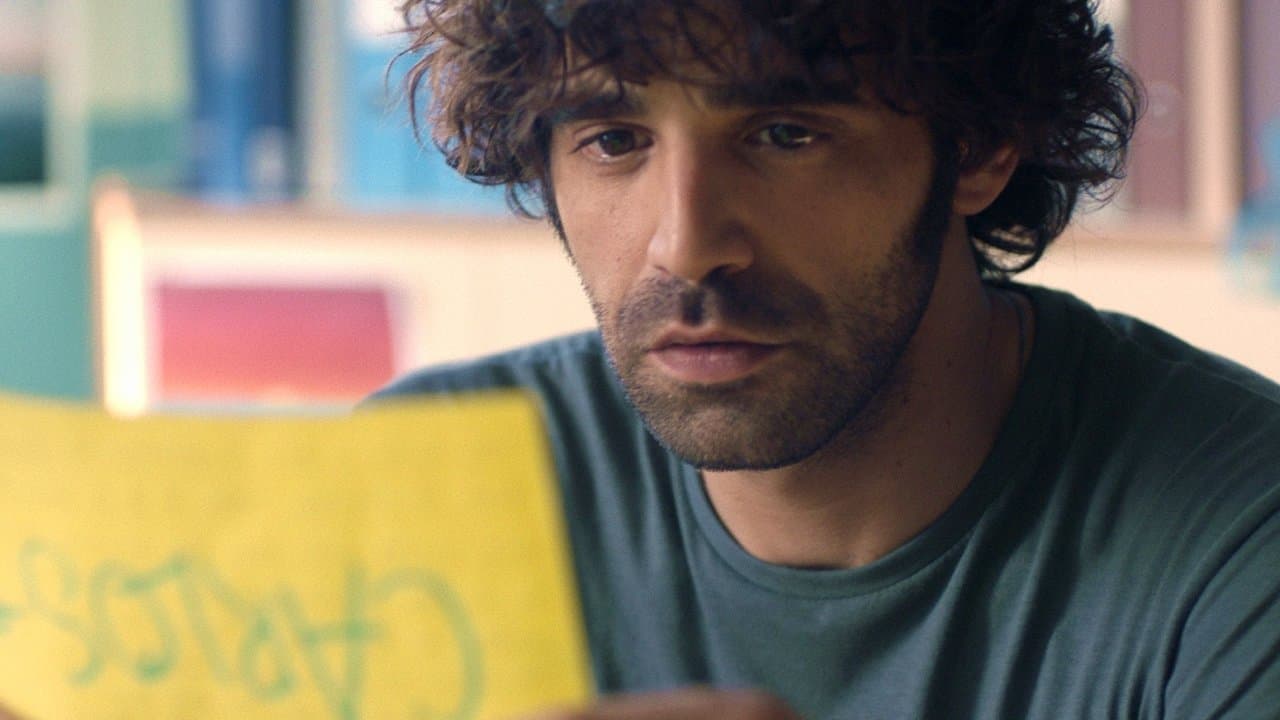
(CASTELLANO) Hay películas que no necesitan grandes giros ni discursos subrayados para ser necesarias. Esta es una de ellas. Funciona desde un lugar sencillo, casi cotidiano, pero justo por eso resulta tan incómoda. Porque lo que cuenta pasa todos los días, en muchos colegios, y casi siempre lejos del foco. No busca el golpe bajo ni la lágrima fácil: se limita a observar, a escuchar, y a dejar que las cosas pesen por sí solas. David Verdaguer hace un trabajo muy sólido, contenido, creíble. No interpreta al típico profesor heroico ni al salvador de manual, sino a alguien desbordado, con dudas, con torpezas, que intenta hacerlo bien sin tener siempre claro cómo. Esa fragilidad es lo que hace que el personaje funcione y que no suene impostado. Se agradece mucho que la película no lo coloque en un pedestal. Pero si algo sostiene de verdad la película es el trabajo con los chavales. Hay una naturalidad poco habitual en cómo hablan, cómo se miran, cómo se protegen o se atacan. Todo fluye sin parecer ensayado, y eso da bastante verdad a lo que se cuenta. No hay caricaturas claras: ni los agresores son monstruos, ni los adultos quedan especialmente bien parados. Uno de los mayores aciertos es que no se centra solo en el bullying visible. También señala —sin necesidad de remarcarlo— a quienes miran hacia otro lado, a quienes dudan de la víctima, a quienes prefieren pensar que exagera o miente para no complicarse la vida. Y ahí la película aprieta más. Porque esos silencios, esas medias verdades, suelen ser incluso más dañinas que el acoso directo. Quizá se le pueda reprochar cierta contención excesiva, o que en algún momento uno espere un paso más adelante emocionalmente. Pero esa misma sobriedad es parte de su honestidad. No quiere dar lecciones, ni cerrar conflictos de forma rotunda. Prefiere dejar un poso, una incomodidad que acompaña después del final. Es una película que debería verse en colegios, sin duda. No como castigo ni como sermón, sino como espejo. Para quienes acosan, para quienes callan y también para quienes no saben cómo reaccionar. No es una obra redonda ni pretende serlo, pero sí es útil, honesta y necesaria, que no es poco. (ENGLISH) There are films that don’t need big twists or loud speeches to matter. This is one of them. It works from a quiet, everyday place, and that’s precisely why it feels so uncomfortable. What it shows happens constantly in schools, usually far from the spotlight. It doesn’t chase easy tears or dramatic shocks; it simply observes, listens, and lets the weight of events speak for themselves. David Verdaguer delivers a strong, restrained performance. He doesn’t play a heroic teacher or a savior figure, but someone overwhelmed, full of doubts, trying to do the right thing without always knowing how. That vulnerability keeps the character grounded and believable, and the film wisely avoids putting him on a pedestal. What truly holds the film together is the work with the kids. Their dialogue, gestures, and reactions feel unusually natural. Nothing seems over-rehearsed, which gives the story a strong sense of truth. There are no clear caricatures here: bullies aren’t monsters, and adults don’t come out spotless either. One of the film’s smartest choices is that it doesn’t focus only on visible bullying. It also points, quietly but firmly, at those who look away, who doubt the victim, or who choose not to get involved. Those silences, those half-truths, can be just as harmful — sometimes more so — than the abuse itself. You could argue the film is almost too restrained, that it never fully explodes emotionally. But that restraint is part of its honesty. It doesn’t want to lecture or provide neat solutions. It wants to leave a mark, an unease that lingers after the credits roll. This is a film that should be shown in schools. Not as a moral lesson, but as a mirror — for those who bully, those who stay silent, and those who don’t know how to react. It may not be perfect, but it is honest, necessary, and deeply relevant.