
❌ 55%
Tomatómetro
Rotten
👥 52%
Audiencia
120 votos
🍿Mixto
Dónde ver
Streaming


Detalles
- Estado
- Estrenada
- Duración
- 1h 29m
- Estreno
- 8 de diciembre de 2017
🎬 PelículaComedia2017⏱ 1h 29m
Fe de etarras
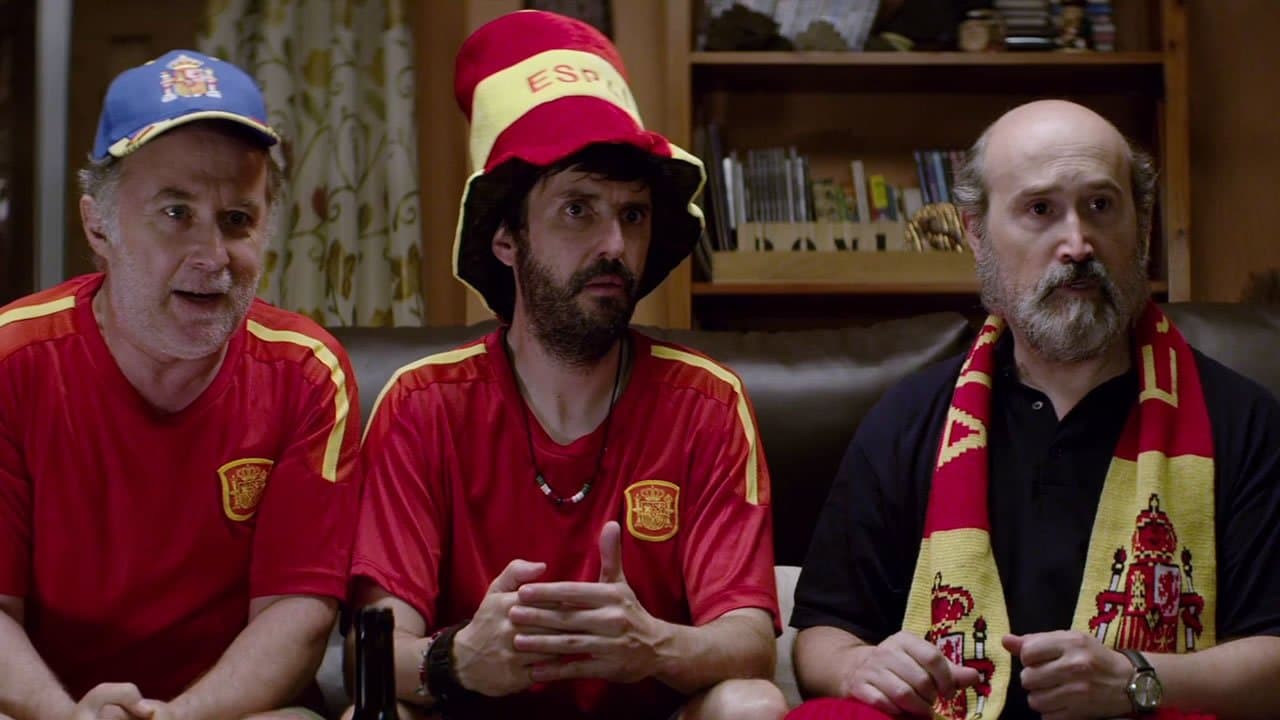
Un grupo disfuncional de terroristas vascos aspirantes espera noticias sobre una nueva misión mientras España huye del título de la Copa del Mundo.
Director
Borja CobeagaGuión
Borja Cobeaga, Diego San José
Reparto principal



📸 Fotos
2 imágenes📝 Reseñas de críticos
1 reseñas
Marco-Hugo Landeta Vacas
23 ene 2026
(CASTELLANO) La premisa de Fe de etarras es potente y, sobre el papel, incluso valiente: un comando de ETA escondido en un piso mientras España celebra el Mundial de 2010. El contraste está ahí, la ironía es evidente y el punto de partida tiene algo provocador que invita a pensar en una comedia incómoda, afilada y quizá necesaria. El problema es que, una vez arranca, la película rara vez consigue convertir esa buena idea en algo realmente gracioso. El humor de Borja Cobeaga nunca ha terminado de conectar conmigo, y aquí vuelve a pasar lo mismo. Hay una insistencia constante en un tipo de gag muy básico, casi infantil por momentos, que choca con lo delicado del tema. No porque no se pueda hacer humor con esto —se puede y se debe—, sino porque la película parece conformarse con lo obvio, repitiendo esquemas y chistes que no terminan de despegar. El tono es extraño: quiere ser mordaz, pero a menudo se queda en lo plano; quiere incomodar, pero rara vez llega a hacerlo de verdad. Se nota el esfuerzo por equilibrar lo político, lo humano y lo absurdo, pero el resultado no termina de cuajar. Hay diálogos ingeniosos y algún destello aislado, sí, pero no lo suficiente como para sostener el conjunto. El reparto cumple, incluso cuando el material no siempre acompaña. Los actores hacen lo que pueden con personajes que están más definidos por la idea que representan que por lo que realmente son. Eso limita mucho cualquier posibilidad de sorpresa o evolución, y acaba volviendo la experiencia algo monótona. Al final, Fe de etarras se queda en una comedia que se entiende más que se disfruta. Es fácil reconocer lo que intenta hacer y por qué ha sido tan defendida por parte de la crítica, pero en mi caso la risa casi nunca llega. La idea es original y el contexto interesante, pero el humor, que debería ser el motor de todo, no termina de funcionar. (ENGLISH) The premise of Bomb Scared is powerful and, on paper, even brave: an ETA cell hiding in an apartment while Spain celebrates the 2010 World Cup. The contrast is there, the irony is obvious, and the starting point has something provocative that invites an uncomfortable, sharp, and perhaps necessary comedy. The problem is that once it gets going, the film rarely manages to turn that good idea into something genuinely funny. Borja Cobeaga’s humor has never quite clicked with me, and the same thing happens here. There is a constant reliance on a very basic type of gag, almost childish at times, which clashes with the delicacy of the subject. Not because humor can’t be made about this — it can and should — but because the film seems satisfied with the obvious, repeating setups and jokes that never really take off. The tone is strange: it wants to be biting, but often feels flat; it wants to be uncomfortable, but rarely truly gets there. You can sense the effort to balance politics, humanity, and absurdity, yet the result never fully comes together. There are clever lines and the occasional spark, yes, but not enough to sustain the whole. The cast does what it can, even when the material doesn’t always help. The characters are more defined by the ideas they represent than by who they really are, which limits any chance of surprise or growth and ends up making the experience somewhat monotonous. In the end, Bomb Scared is a comedy that is easier to understand than to enjoy. It’s easy to see what it’s trying to do and why part of the criticism has defended it so strongly, but in my case the laughter almost never arrives. The idea is original and the context interesting, but the humor — which should drive everything — simply doesn’t work.