
⭐ 66%
Tomatómetro
Fresh
👥 63%
Audiencia
66 votos
🍿Mixto
Dónde ver
Streaming


Detalles
- Estado
- Estrenada
- Duración
- 2h 14m
- Estreno
- 12 de septiembre de 2025
- Presupuesto
- $10,720,500
🎬 PelículaDramaHistoria2025⏱ 2h 14m
El cautivo
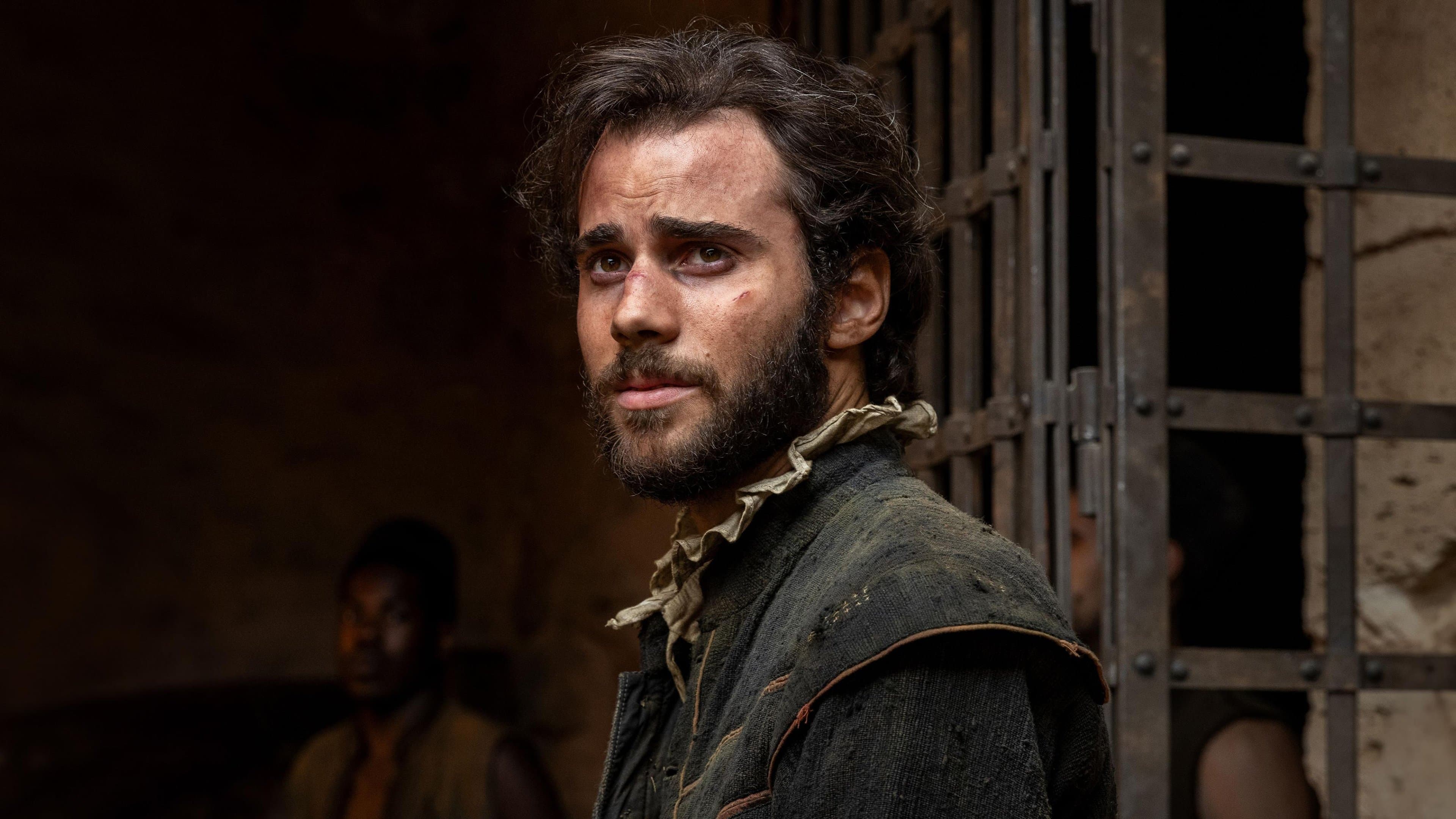
Argelia, 1575. El joven preso Miguel de Cervantes recurre a su ingenio y habilidades narrativas para sobrevivir al cautiverio y planear un escape arriesgado.
Director
Alejandro AmenábarGuión
Alejandro Amenábar
Reparto principal


📸 Fotos
8 imágenes📝 Reseñas de críticos
1 reseñas
Marco-Hugo Landeta Vacas
28 ene 2026
(CASTELLANO) No es la película que muchos esperan cuando se habla del cautiverio de Cervantes tras Lepanto, y eso se nota desde muy pronto. Aquí no hay una reconstrucción académica ni una voluntad de ceñirse al relato que nos han contado siempre. Lo que propone Amenábar es otra cosa: una mirada más libre, más especulativa, que mezcla aventura, encierro y reflexión sobre la identidad, incluso a riesgo de incomodar. El mayor punto de fricción está precisamente ahí. La película se permite llenar los silencios de la Historia con hipótesis que no todos aceptarán de buen grado. Algunas funcionan como provocación intelectual, otras se sienten más forzadas, pero es evidente que hay una voluntad consciente de cuestionar el relato oficial. En un país todavía atravesado por una homofobia latente, esa decisión no es inocente ni cómoda, y conviene reconocerle el riesgo. Como cine de aventuras, la película funciona con solidez. La puesta en escena es cuidada, el contexto histórico está bien recreado y hay momentos de auténtica tensión y belleza visual. Sin embargo, a nivel emocional cuesta un poco más entrar. El relato avanza con corrección, pero no siempre logra que lo que está en juego pese tanto como debería. A ratos parece más interesada en la idea que en la emoción. No es una obra redonda ni definitiva, pero sí una propuesta singular dentro del cine histórico español reciente. Puede gustar o irritar, incluso ambas cosas a la vez. Y quizá ahí esté su principal valor: en atreverse a tocar un mito sabiendo que el precio sería la controversia. (ENGLISH) This is not the film many expect when approaching Cervantes’ captivity after Lepanto, and that becomes clear very early on. There is no academic reconstruction here, nor any real intention to stick to the version of events we’ve always been told. What Amenábar proposes is something else: a freer, more speculative approach that blends adventure, imprisonment, and reflections on identity, even at the risk of making viewers uncomfortable. The main point of friction lies precisely there. The film dares to fill the silences of History with hypotheses that not everyone will be willing to accept. Some work as intellectual provocation, others feel more strained, but it’s clear there’s a conscious desire to challenge the official narrative. In a country still marked by latent homophobia, that choice is neither innocent nor safe, and its risk deserves acknowledgment. As an adventure film, it works solidly. The staging is carefully crafted, the historical setting convincingly recreated, and there are moments of genuine tension and visual beauty. Emotionally, however, it struggles more. The story moves forward competently, but it doesn’t always make what’s at stake feel as heavy as it should. At times, it seems more invested in the idea than in the feeling. It’s not a definitive or fully rounded work, but it is a distinctive entry within recent Spanish historical cinema. It may please or irritate—sometimes both at once. And perhaps that is its greatest strength: daring to touch a myth while fully aware that controversy would be the price.